
49-year-old woman with more than 40 hospital readmissions over four years
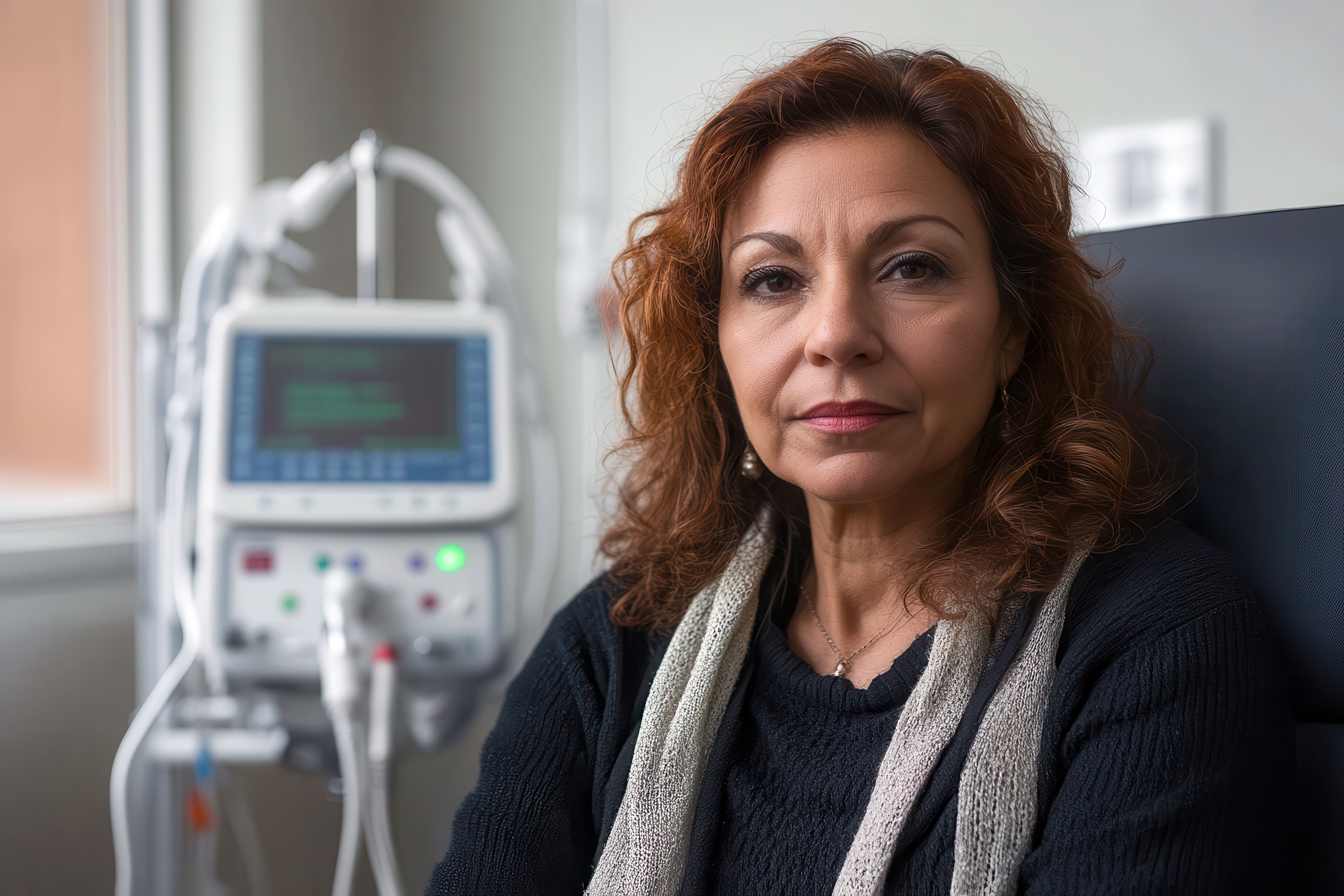
Traditional inpatient care struggled to manage this patient’s severe medical, psychiatric, and behavioral complexity. Frequent readmissions, poor adherence, and psychiatric instability created persistent barriers to treatment, discharge planning, and safe transitions of care.
Presented with traumatic injury and severe subsequent medical complications in the setting of longstanding medical, psychiatric, and substance use complexity.
The interdisciplinary Juliana team coordinated medical stabilization, behavioral support, and multidisicplinary disposition planning:
Over time, the team built enough trust to support a safe transition to a skilled nursing facility.
The patient completed IV antibiotics, stabilized medically and behaviorally, and transitioned safely to a skilled nursing facility with a structured opioid taper plan.
Disposition barriers were resolved without further ICU transfer or readmission during the episode of care. The patient later transitioned to long-term care with improved stability and continuity.
59-year-old man with medical instability and behavioral complexity complicating discharge planning

Traditional inpatient care faced dual challenges: significant medical instability requiring aggressive diuresis, and behavioral complexity marked by agitation, provocative statements, and chronic self-harm risk. These factors prolonged length of stay and complicated disposition, while psychiatric admission criteria were not met.
Recently hospitalized multiple times in the setting of suicidal statements and unstable housing. Juliana intervened during an admission for acute Heart Failure with Preserved Ejection Fraction (HFpEF) exacerbation and hypoxic respiratory failure related to volume overload.
The interdisciplinary Juliana team coordinated medical management, behavioral health support, and social work:
Medical management included tailored diuresis, oxygen weaning, initiation of guideline-directed therapy, and psychiatric medication optimization with close monitoring of mood and behavior.
The patient stabilized medically, was weaned to room air at rest, and transitioned safely back to his group home with ongoing follow-up from Juliana case management and social work.
Behavioral risk was mitigated without psychiatric admission, and continuity was supported through outpatient cardiology and sleep medicine follow-up.
58-year-old woman with severe medical and social complexity and repeated post-acute placement failure
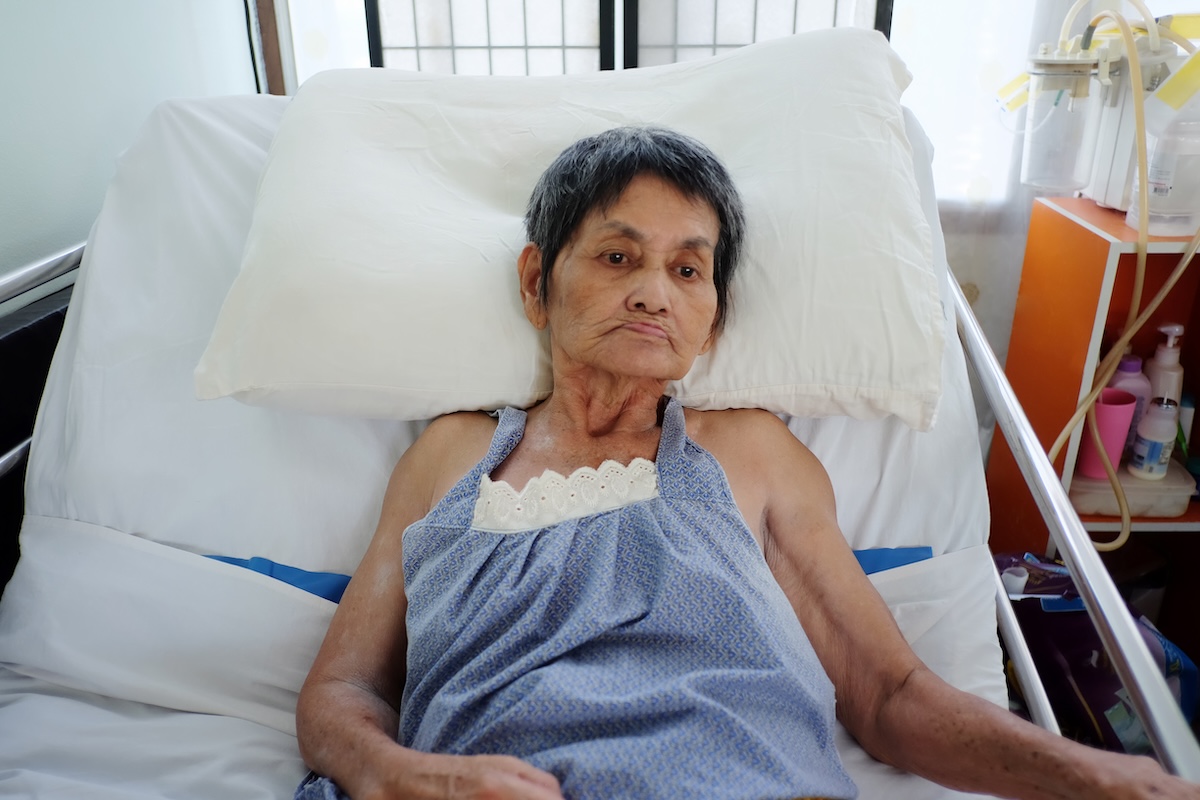
Despite intensive inpatient care, the patient remained functionally “stuck” in the hospital due to a combination of medical frailty, fluctuating delirium, behavioral instability, and lack of viable post-acute options. Traditional hospitalist and case management approaches were unable to align medical stabilization with disposition planning, resulting in prolonged length of stay and recurrent utilization.
She endured 33 hospital admissions over six years, with repeated post-acute placement failures.
The interdisciplinary Juliana team coordinated medical, behavioral, and disposition challenges simultaneously:
The patient was medically stabilized despite multiple complications, conservatorship was established, and disposition barriers were resolved. She successfully transitioned to post-acute care, then to long-term care, and has had no further acute care presentations since enrollment.
This story illustrates how an inpatient polychronic care model can convert patients traditionally viewed as difficult to place into safe, stable discharges — reducing repeat admissions, improving discharge reliability, freeing inpatient capacity, and helping hospitals manage their highest-risk patients more effectively.